1. The form does not identify the species
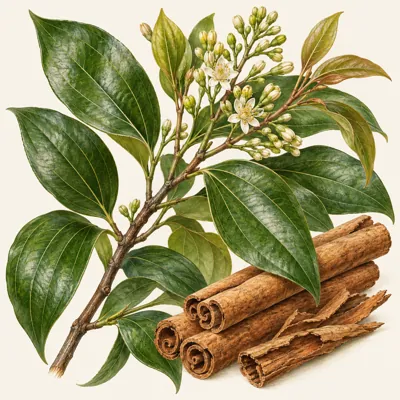
Cinnamon is a spice obtained from bark. Kew describes Cinnamomum verum and other sources of similarly scented bark, including Cinnamomum cassia. The words sticks and ground describe the product’s form; they do not, by themselves, establish which plant it comes from.
If you want Ceylon cinnamon, look for a clear statement on the packet rather than relying on a photograph of rolled bark. Read the ingredients: plain cinnamon, cinnamon sugar and a mixed drink seasoning are different products. Keep the name and label when transferring it to a jar. Choose a food spice, not an item from a decorative or scented arrangement.
2. A stick is easier to remove
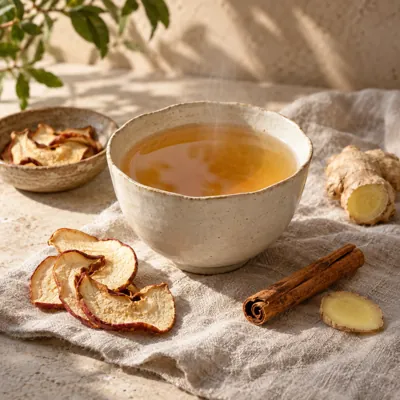
A whole piece is much easier to lift out of a drink than dispersed powder. McCormick lists cinnamon sticks as an addition to warm beverages. In practice, choose this form especially when the recipe calls for removing the spice later. Set out a strainer and somewhere to put the wet piece before you start.
Do not automatically crush the stick: small fragments require more careful straining. Fit it to the vessel as the preparation method allows, rather than forcing it under a lid or obstructing the spout. After steeping, remove it with a utensil that keeps your fingers away from the hot liquid. Check the cup for loose pieces of bark before serving.
3. With powder, plan for texture and filtration
Ground cinnamon is finely divided spice, not an instant drink preparation. Do not expect stirring to remove every visible particle. If you want a clear cup, choose a recipe designed for a stick rather than adding powder to a finished infusion and only then trying to work out how to strain it.
A strainer intended for larger leaves may let fine powder through. If the recipe allows filtering, choose a filter suitable for hot drinks and follow its instructions. Do not squeeze hot contents with your hand. If the texture still bothers you, change the form of spice next time; adding sugar does not solve a particle problem.
4. Do not replace a stick with an arbitrary spoonful
Sticks vary in size, and powder distributes differently from larger pieces in a drink. Use a recipe developed for the form you have instead of treating an online conversion as universal. Record the product name, form and method you actually used. This makes a successful cup easier to repeat without changing several things at once.
On your first attempt, assess aroma separately from how comfortable the drink is to sip. “Do I like the smell?” and “Does the sediment bother me?” concern different qualities. With a ready-made blend, follow its instructions rather than adding more spice to deepen the colour. Napar’s cinnamon atlas entry introduces the plant name, while the infusion collection provides ideas for combinations.
Frequently asked questions
Is every cinnamon stick Ceylon cinnamon?
No. The form does not establish the species. Look for clear label information rather than deciding from an illustration or colour alone.
What should I choose if I dislike particles in a drink?
A recipe that uses a stick and removes it afterwards is usually an easier starting point. Powder requires additional consideration of filtering and the texture you want.
Educational and culinary content. It does not confirm the edibility of wild plants or guide medical treatment.