1. Name the product in front of you
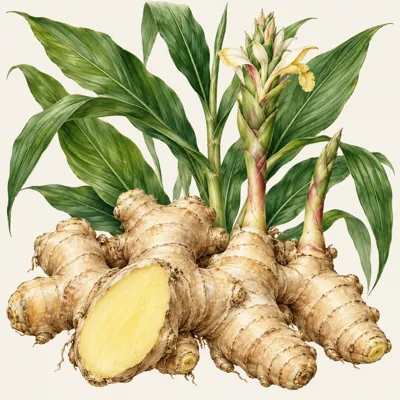
Culinary ginger comes from the rhizome of Zingiber officinale, an underground stem commonly called a root in shops. Kew identifies this part as the source of the spice. Knowing the term helps describe the ingredient; it does not provide instructions for using other plant parts or identifying similar plants at home.
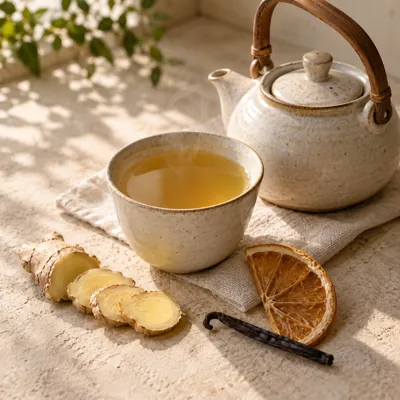
Add the form to your shopping list: fresh rhizome, dried pieces, ground spice or instant drink. Writing only “ginger” makes it easy to buy something different from the recipe requirement. For a prepared mix, keep its full name, ingredient list and packet directions so you know exactly what you are comparing later.
2. Separate a spice from a prepared drink
Powder in a jar and granules in a sachet can look similar. Check whether the label describes a spice, an infusion blend or a soluble drink. For a ready-made drink, look for sugar, other ingredients and preparation directions. The name on the front is a useful starting point, but it cannot replace the rest of the label.
Even ground spice is not invariably ginger alone: the checked page for one McCormick product also lists a sulfiting agent. This is an example from a specific product, not a rule for every brand or country. Read your own packet, especially if you avoid particular additives; a listing in an overseas shop may not describe what is in your cupboard.
3. Match the form to the preparation method
When a recipe specifies fresh ginger, choose that form and follow the stated preparation. When dried pieces carry infusion instructions, use those directions. Do not automatically replace a teaspoon of fresh ingredient with a teaspoon of powder: equal volume does not establish that two products are interchangeable.
Consider how you will remove the solids, too. A strainer with suitable openings can separate slices; fine powder may pass through larger holes and remain in the drink. Do not expect ground spice to behave like an instant drink mix. If you want a cup without particles, choose a recipe and product intended for that result rather than improvising with an unsuitable filter.
4. Make a comparison that answers a question
Prepare each of two products according to its own instructions. Record the name, ginger form, other ingredients, preparation and additions. Taste once the drinks have cooled to a comfortable temperature. Describe aroma, perceived heat and sweetness separately. These are personal impressions, not measurements of health effects.
A useful note might say: “A tastes sweeter, but contains sugar; B has particles I do not enjoy.” This helps with your next purchase without proving that fresh or dried ginger is superior. Visit the ginger entry in the Napar atlas for plant context and browse infusion previews for flavour ideas. This guide does not reproduce Club recipe proportions.
Frequently asked questions
Is ground ginger always an instant drink?
No. Check the product category and directions. Ground spice and a soluble drink mix may have different ingredients and behave differently in water.
Do I need to choose one form of ginger permanently?
No. Choose for the recipe, convenience and your preferences. A flavour comparison is not a ranking of health benefits.
Educational and culinary content. It does not confirm the edibility of wild plants or guide medical treatment.