Two names, different plants
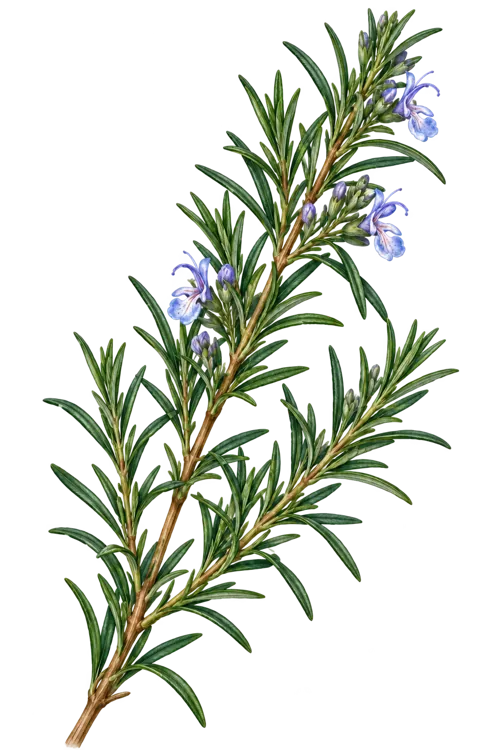
Rooibos comes from Aspalathus linearis, whereas honeybush comes from plants in the genus Cyclopia. Both are South African ingredients, but they are botanically distinct. SANBI’s plant profiles establish this difference without relying on the colour of the drink or the similar appearance of small dried pieces.
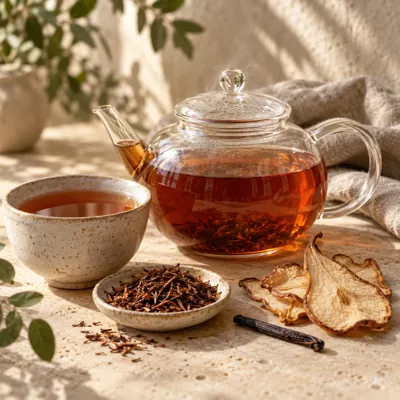
You do not need to identify a species from a photograph while shopping. Record the product name and producer, and add a botanical name only if the packet provides one. Missing detail is not a reason to guess. The pear infusion photograph in this guide is a culinary illustration, not a reference for identifying the plant.
Choose products that make a useful comparison
For a first tasting, buy small packets of plain honeybush and plain rooibos. Read the whole ingredient list: vanilla, fruit, spices or flavourings introduce another difference that you cannot later separate from the base. If you already have blends, you can still compare them, but describe the result as a comparison of two blends rather than the plants alone.
Keep both packets until you finish. Note the product format, when you opened it and its preparation instructions. Loose ingredients and bags may differ in particle size and convenience; the format alone does not establish quality. Choose something that fits the way you actually make a drink on an ordinary day.
Follow the directions for each product
Use two similar vessels and the same water. Follow each product’s own directions for the amount, water volume, temperature and time. Do not impose identical brewing times simply to make things look equal: your first comparison is between products prepared as intended. Record any differences in the instructions alongside their names.
Label the vessels A and B, set timers and separate the ingredients from the liquid at the recommended point where the preparation method calls for it. Leave out honey, sugar, lemon and milk initially. Wait until both drinks are comfortable to sip. Avoid judging one piping-hot sample against another that has already cooled considerably.
Record what you notice, then decide how to use it
Consider aroma, flavour and the sensation after swallowing separately for each cup. Instead of searching for mandatory notes from a shop description, write your own short observations and whether you want another sip. Drink some water between samples. Start the second round with the opposite cup so the same drink is not always tasted first.
Finish with a practical conclusion: which do you prefer plain, and which is easier to prepare in your vessel? If you normally sweeten your drink or add fruit, explore that in a separate trial. Your result describes these two products and this method, not every honeybush or rooibos available. Repeat the comparison on another day before buying a larger packet.
Frequently asked questions
Does the name honeybush mean that honey has been added?
The name is not an ingredient list. Check the ingredients of the particular product to find out whether it contains honey. When comparing plain bases, choose products without additions rather than drawing conclusions from the name or a sweet-sounding description.
Can honeybush be prepared exactly like rooibos?
Do not automatically transfer instructions from one packet to another. Check the directions for your particular product. If you swap the base in a recipe, record the change and assess the result; a similar culinary use does not guarantee an identical flavour or brewing time.
Educational and culinary content. It does not confirm the edibility of wild plants or guide medical treatment.