1. Identify the plant part first
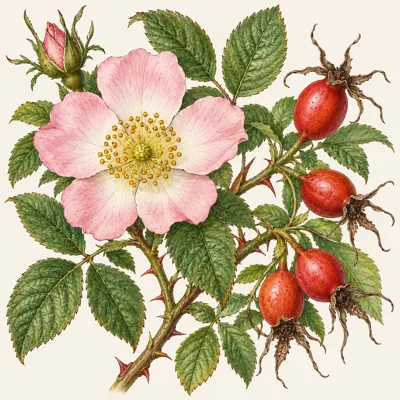
Rose petals, whole buds and rose hips are not three names for the same ingredient. The Royal Horticultural Society describes petals used in drinks and hips that follow flowers. This distinction matters before you reach for a recipe. Look for the actual plant part on the packaging rather than relying on the word rose displayed prominently on the front.
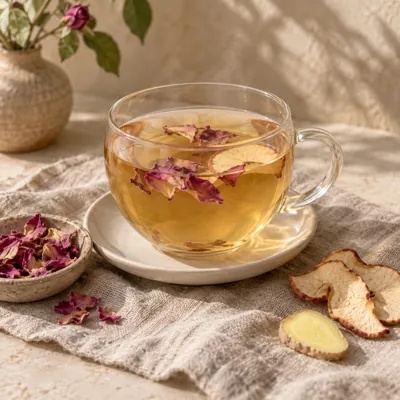
Read the full product name and the species when the producer supplies it. Treat the Damask rose inspirations and rose hip entry in the Napar catalogue as separate starting points. A cup photograph or plant illustration cannot verify what is inside a packet. If the seller does not make clear whether the contents are petals, buds or hips, choose a product with clearer information.
2. Choose a food ingredient rather than a decoration
For a drink, buy material explicitly intended for food use. Dried table decorations, scented mixtures and flowers from a bouquet can resemble culinary petals, but appearance does not establish their intended use. The RHS stresses correct identification and flower provenance. Rinsing at home cannot replace information about how flowers were grown and whether they were supplied for eating.
Check the ingredient list before buying. A packet may contain one ingredient or a blend with other fruits, flowers or flavouring. The description rose-flavoured does not necessarily mean pure rose. Keep the label with your dried ingredients. The producer, complete composition and plant part will help you understand a later comparison instead of guessing from the remembered scent.
3. Follow directions for the particular product
Do not transfer the quantity or steeping time for petals to dried hips. Whole buds, loose petals and larger or smaller pieces of fruit are different forms; a prepared blend may have its own directions. Follow the producer’s instructions or a recipe intended for that product. If clear directions are missing, obtain them before brewing rather than inventing one universal time.
Choose a strainer suited to the particle size and strain the drink as directed. Fine material may need a different filter from larger pieces. This guide concerns purchased food ingredients; it is not a guide to gathering and processing hips from an unidentified shrub. Species, condition and appropriate preparation need their own assessment, beyond the photograph on a page.
4. Compare products while keeping their identities clear
To explore the difference, prepare a petal product and a hip product separately, each according to its own directions. Label the cups with the full product names. Taste once they have cooled to a comfortable temperature, initially without adding another aroma. Record your own descriptions of scent and flavour rather than expecting every product in one category to taste exactly alike.
Keep the composition, water quantity, preparation and any additions in your note. A practical format is product — plant part — preparation — impressions — would I return to it? Do not use colour as proof of species or a quality score. When comparing blends, describe the complete combinations: differences between them cannot fairly be attributed to rose alone.
Frequently asked questions
Can petals replace hips in the same recipe?
Do not assume that they can. They are different plant parts and products. Choose directions or a recipe that matches what is actually in your packet.
Is a rose scent enough to choose dried petals?
No. Check food use, the plant part and the full ingredient list. Scent does not establish identity or make decorative petals suitable for a drink.
Educational and culinary content. It does not confirm the edibility of wild plants or guide medical treatment.