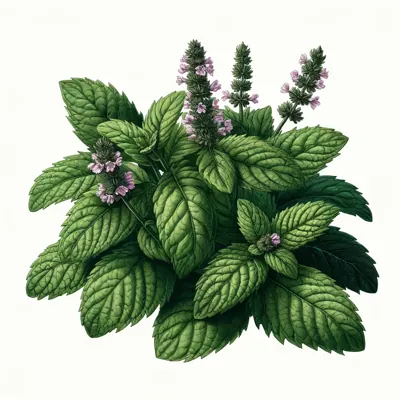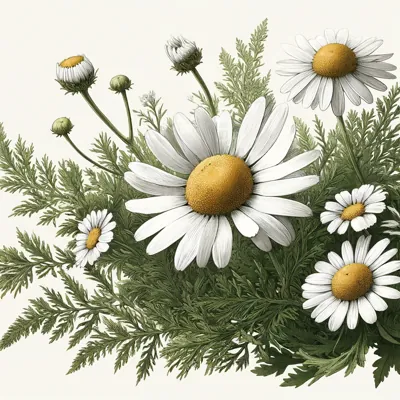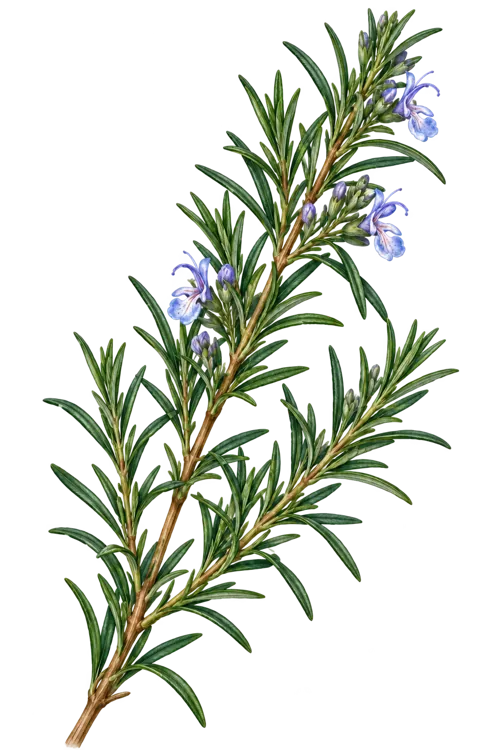
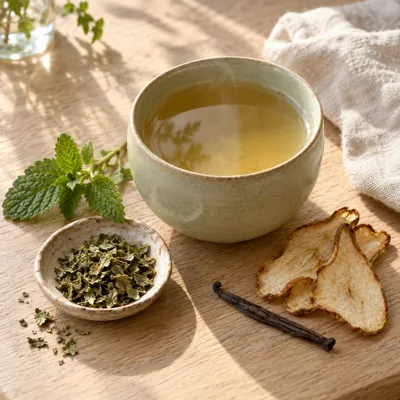
Start with one brewed base
Prepare your chosen product according to its instructions, then remove the plant material. Divide the finished infusion into comparable portions in similar cups. If you leave leaves in one vessel, later samples may also differ in contact time. That makes it harder to tell which change came from the sweetener.
Keep one portion unsweetened. Label the others honey and sugar, set out clean spoons and let the drinks reach a comfortable tasting temperature. Leave out lemon, milk and dessert at first. Each would introduce another difference. Record the blend and water quantity so you can return to the same starting point.
Choose an aroma as well as sweetness
Honey does not have one fixed flavour: its aroma varies with its botanical origin, among other factors. The Saudi Food and Drug Authority’s consumer guide explains this distinction. Writing only “honey” may therefore be too vague to reproduce a cup you enjoyed. Note the product or variety from the label and smell it before adding it.
Use ordinary white sugar as a comparison point and treat your chosen honey as a separate flavour ingredient. With a delicate infusion, check whether you can still recognise the base aroma. With a stronger blend, consider whether the addition complements it. This is a tasting suggestion, not a rule assigning one honey to every herb.
Add gradually and stir before judging
Begin with a small addition, stir thoroughly and then taste. If undissolved sugar or honey remains at the bottom, the next sip will not provide a fair comparison with the previous one. Do not immediately add more because the first sip seemed barely sweet. First check that the drink is evenly mixed.
Crystallisation is a natural change in honey’s texture, described by Purdue Extension. A firmer consistency can make it harder to scoop a repeatable amount. For a comparison, record the weight of the addition instead of judging a sticky spoonful by eye. Equal weights of honey and sugar are not a promise of equal perceived sweetness.
Record a choice you want to repeat
For each sample, note three things: how clearly you recognise the infusion, how sweet it seems and the impression left after swallowing. Use your own words, such as “base still clear”, “honey takes over” or “prefer it plain”. You do not have to choose the sweetest sample. The aim is a cup you enjoy.
Next time, change just one thing: the type of honey or the amount. Keep the base product, drink quantity and serving temperature similar. For guests, offer additions separately with their packaging or clear names. Keep your tasting note on paper; this process does not depend on an extra app feature.
Frequently asked questions
Does every infusion need sweetening?
No. An unsweetened cup is a valid choice and a useful reference. If you enjoy it, there is no need to change it. If the flavour disappoints, also revisit your choice of blend and whether you followed its brewing instructions.
Does a teaspoon of honey replace a teaspoon of sugar?
Do not treat this as a precise flavour conversion. Texture, how you fill the spoon and the particular product make comparisons difficult. Begin with a little, stir and judge each version separately.
Educational and culinary content. It does not confirm the edibility of wild plants or guide medical treatment.