1. Name the dessert’s main flavour
Describe the dessert with one leading word: chocolatey, fruity, buttery or spiced. Then identify a detail you can actually taste, such as lemon zest or cinnamon. “Cake” alone tells you little about a drink pairing; a plain shortbread biscuit and an intensely spiced cake present different flavour choices.
Choose one direction to explore. You might echo an aroma or try a contrast. With a fruit dessert, consider a product with citrus notes; with chocolate, compare a mint infusion and a mild fruit blend. Treat these as options to judge, not guaranteed combinations.
2. Check how the product actually tastes
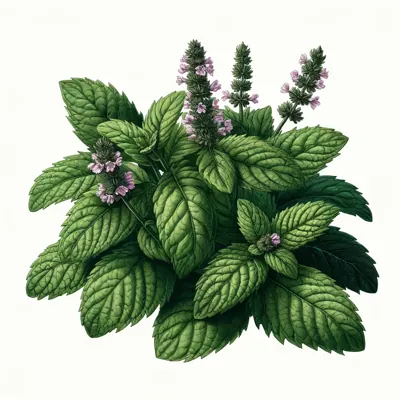
Read the ingredients and description, then taste the prepared infusion without the dessert. The name on the front cannot describe the whole blend. A mint and liquorice product may taste quite different from mint alone. Do not choose solely from the colour of the dried ingredients or a fruit illustration.
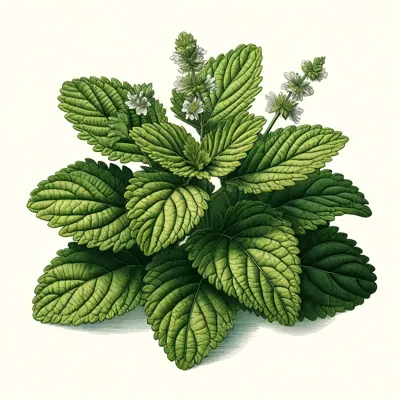
Lemon balm leaves have a lemony fragrance and flavour, as the Royal Horticultural Society describes. That is a useful clue when looking for an aroma, not a promise that every lemon balm blend tastes alike. Check the plant’s name in the Napar atlas, then judge the finished product by its ingredients and your own tasting.
3. Compare two cups with the same bite
Prepare the two products according to their individual directions and usage restrictions. Use similar cups and let each reach a comfortable drinking temperature. Taste the drinks separately first. Then alternate a small bite of the same dessert with a sip of one infusion, taking a pause before trying the other.
Record three observations: can you still taste the dessert, can you identify the infusion’s aroma, and do you want another sip? “Too strong”, “lost beside the cake” and “I enjoy this” are useful notes. Professional scoring is unnecessary, and two people may reasonably prefer different combinations.
4. Adjust the serving one thing at a time
Make the first comparison with nothing added to the drinks. Honey, sugar or lemon introduces another flavour variable and makes it harder to identify what worked. If you want to try an addition, change just one element next time. Do not extend steeping beyond the product’s directions simply to compete with an intense dessert.
At a shared table, name the blends and keep their packaging available. Ask about ingredients your guests avoid instead of promising that one drink suits everyone. Offer water as well. Successful serving gives people a comfortable choice and a flavour they enjoy, without trying to persuade everyone to like the same pairing.
Frequently asked questions
Does a sweet dessert need a sweetened infusion?
No. Start with the drink without additions and judge it alongside the dessert. Treat any sweetening as a separate trial based on preference.
Is there one best infusion for chocolate?
There is no single choice for everyone. The chocolate, its additions and personal taste affect the result; compare two familiar products with the same dessert.
Educational and culinary content. It does not confirm the edibility of wild plants or guide medical treatment.