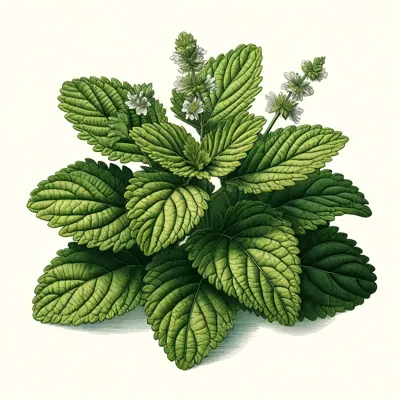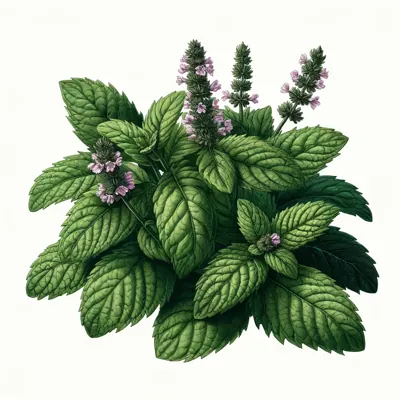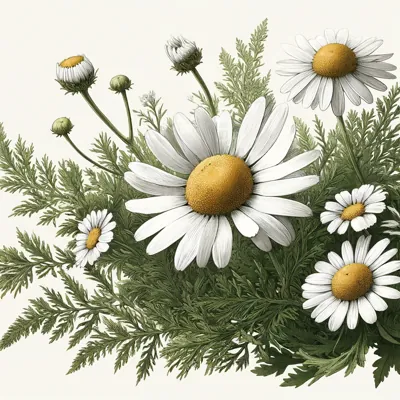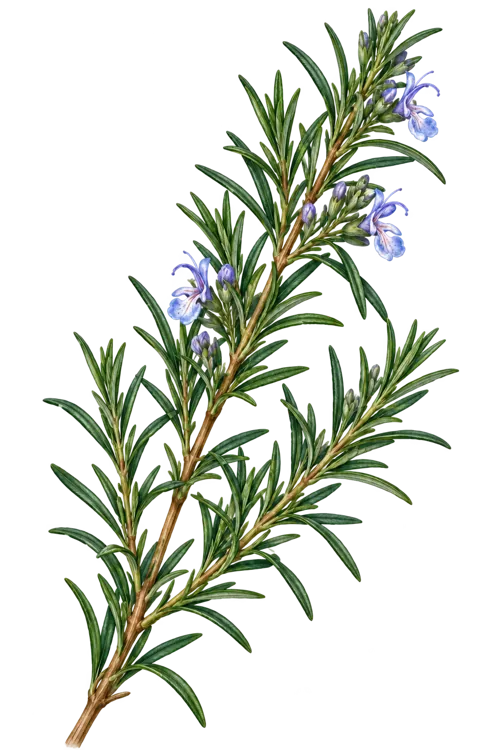
1. Separate the blend name from its ingredients
Start with the full ingredient list, rather than the biggest fruit picture. Note the plants and any stated parts, such as leaf, flower or peel. “Rose” on the front does not yet tell you whether the blend contains petals, hips, flavouring or several of these.
According to the European Commission, ingredients in prepacked foods in the EU are generally listed by descending weight. This helps describe composition, not flavour strength. Do not calculate exact proportions from the order. When comparing two packs, copy their first ingredients and mark the differences instead of assuming that similar names mean identical products.
2. Read the directions before choosing a vessel
Find the product quantity, water quantity, temperature and time. Read them as a set; a number of minutes alone is not enough. If the instructions describe a pot and you want a mug, check whether the producer gives a smaller serving. Do not fill in missing information using a time remembered from another blend.
BfR recommends boiling water for ordinary herbal and fruit infusions for hygiene reasons. Cooling a prepared drink afterwards is not the same as brewing it cold. If you want a product for cold water, choose one explicitly intended for that use and follow its directions. Ask the seller when the label is unclear.
3. Keep the details when transferring the contents
Before discarding a pouch, take a readable photo of the whole label or keep the relevant panel. Put the product name, date marking and batch number, if provided, on your container. You can add the opening date separately, clearly distinguishing it from the producer’s date.
Read the storage instructions and any directions for use after opening. Do not invent a new shelf life. Combining two packs in one jar makes it harder to identify their origins and the applicable label later; keeping batches separate is simpler. A photo of the packaging is also useful when buying the same product again.
4. Make a short comparison card
On paper, create fields for the product name, first ingredients, allergen information, preparation, storage and a question for the seller. Enter only what you can actually read. “Not stated” is more useful than a guess. Read all warnings, even if you already know the brand.
For example, you want a blend that explicitly lists lemon balm and gives instructions for one mug. One pack provides both, while another shows only a decorative leaf and a general slogan. Ask for the missing details before choosing. Napar’s atlas helps you explore ingredient names; it cannot establish what is inside a purchased pouch.
Frequently asked questions
Does a longer ingredient list mean a better blend?
You cannot tell from the length of the list. Choose according to the ingredients you want and the preparation method. A short or long list alone says nothing about your own flavour preferences.
Is a photo of the front enough?
Not for a full comparison. Keep a readable image of the ingredients, warnings and directions too. When shopping online, request these details if the photos do not make them legible.
Educational and culinary content. It does not confirm the edibility of wild plants or guide medical treatment.