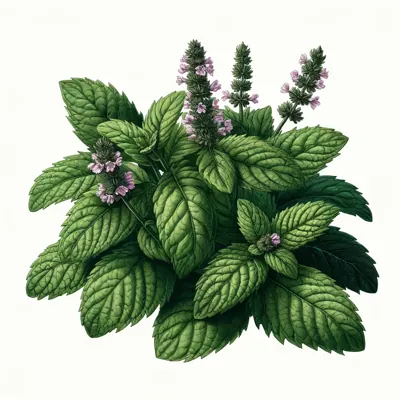
1. Start with the two names
Peppermint is Mentha × piperita; spearmint is Mentha spicata. The Royal Horticultural Society distinguishes them by these names. A label that says only mint does not tell you which of the two ingredients is inside. Look beyond the large name on the front of the packet.
Kew describes peppermint as a hybrid of Mentha aquatica and Mentha spicata. The × symbol indicates the plant’s hybrid origin, not an ingredient added to dried leaves. It does not mean that two separately harvested kinds of mint have been mixed in the packet.
2. Compare ingredients, not illustrations
When buying, compare the botanical name, ingredient list and product form: fresh leaves, cut dried leaves or tea bags. If the producer only says mint, check the full description or ask which plant is used. Packaging colour and a leaf illustration cannot supply that information.
For a first comparison, choose two clearly identified single-ingredient products. A blend with fruit or flavouring will not isolate the difference between the mints. Record the name and producer so you can find the same product again, rather than relying on your memory of a marketing name.
3. Compare your own cup experience
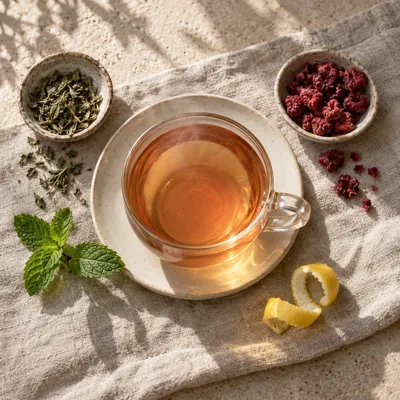
Prepare each product according to its own directions and restrictions. Use similar cups, leave out sugar and lemon initially, and wait until both drinks are comfortable to sip. Do not impose the same brewing time on both if that conflicts with their instructions.
Describe the smell, intensity and sensation after a sip in your own words. Avoid assuming every batch of one mint must taste stronger than every batch of the other. Note the water quantity and preparation method too: you are comparing specific products, not proving a universal ranking of plants.
4. Choose for the way you will use it
For an infusion to accompany a particular dessert, first choose a drink you enjoy on its own, then try it with the food. If substituting one mint in a familiar blend, make a small trial and judge the result before preparing a whole pot.
The peppermint entry in the Napar atlas refers to Mentha × piperita. Do not automatically apply all its information to every plant called mint. Keep the chosen product’s packaging and directions; a decorative image does not establish a plant’s identity or suitability for eating.
Frequently asked questions
Does × mean a blend of two dried herbs?
No. In Mentha × piperita it indicates the plant’s hybrid origin. Check the finished product’s ingredient list separately.
Can I choose the type of mint from a leaf photograph alone?
A product photo cannot reliably establish the ingredient. Use the producer’s clear identification; do not use this guide to identify plants you have gathered yourself.
Educational and culinary content. It does not confirm the edibility of wild plants or guide medical treatment.