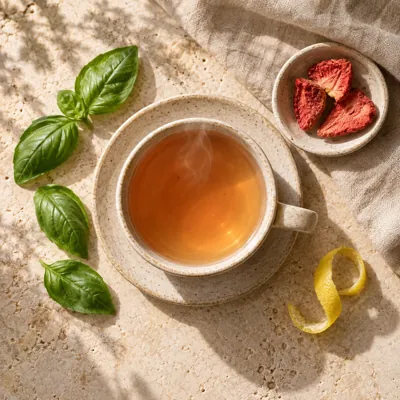
1. Choose a product with a known purpose
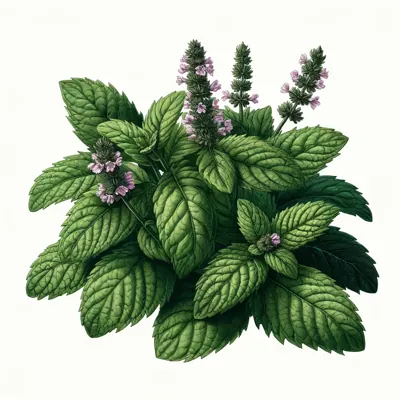
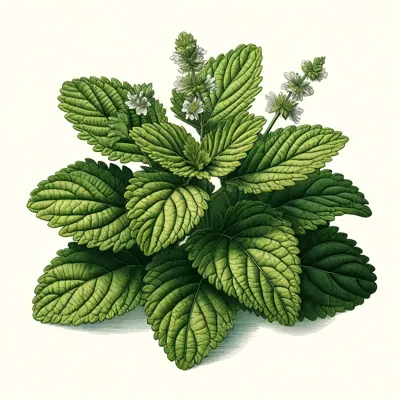
Buy herbs sold for food use and keep the name from the packaging. With a potted plant, check its intended use as well as the appearance of its leaves. A decorative plant that resembles mint is not a substitute for a named ingredient. If the name or origin is unclear, ask the seller before preparing a drink.
Read which plant part your recipe uses: leaves, tender tips or another ingredient. Do not treat an entire bunch as one serving. Keep the packaging and instructions together so the name stays available while you separate the leaves. The Napar atlas helps you explore names and descriptions, but an illustration cannot verify what is in a purchased pot.
2. Set up a place for rinsing
Prepare a clean strainer, a vessel and somewhere to put the rinsed ingredients. Clear away packaging and equipment used for other foods. Arrange the steps so that cleaned herbs do not go back into an unwashed container. You need little equipment; giving each item a clear purpose and having it ready matters more than assembling a large set.
The FDA recommends rinsing fresh produce under running water without soap. For purchased fresh herbs, also follow the packaging guidance. Rinse delicate ingredients gently, place them in a clean strainer and let them drain. Rinsing does not confirm the species, edibility or suitability of a product whose origin you do not know.
3. Measure what the recipe actually requests
Check whether the instructions are for fresh or dried herbs. Do not automatically swap them spoon for spoon or by counting leaves. Leaf size, stem length and how a spoon is filled can differ. When the recipe gives a weight, use a scale; for another measure, follow the stated method instead of inventing a conversion.
No instructions for the fresh ingredient? Choose a recipe that explicitly uses it or ask the author to clarify. Do not estimate proportions from a decorative photograph. Prepare only the part you need and store the rest according to the seller or packaging instructions. This guide does not set one storage period for all fresh herbs.
4. Start brewing with complete instructions
Before heating water, establish the plant name and part, ingredient quantity, water quantity, temperature, time and method for removing the leaves. A fresh appearance is not a reason to use cold water. Follow the specific product or recipe instructions rather than borrowing parameters from a different plant or blend.
Keep a short note: product __, plant part __, fresh ingredient __, instruction source __, measure used __. It makes the next purchase and preparation easier to repeat. If you return to dried herbs, treat them as a separate version with their own instructions. Napar’s public plant profiles can help you learn about ingredients; an ordinary paper note is enough for your record.
Frequently asked questions
Can I use an herb from a decorative plant pot?
Appearance alone is not enough. First confirm the name, origin and intended food use. Do not treat an ornamental plant or an unknown specimen as an infusion ingredient.
Can fresh leaves replace the same amount of dried herbs?
Do not assume one conversion works for every product. Choose instructions that use the fresh ingredient and follow their measure. A photograph is not a way to determine the quantity.
Educational and culinary content. It does not confirm the edibility of wild plants or guide medical treatment.