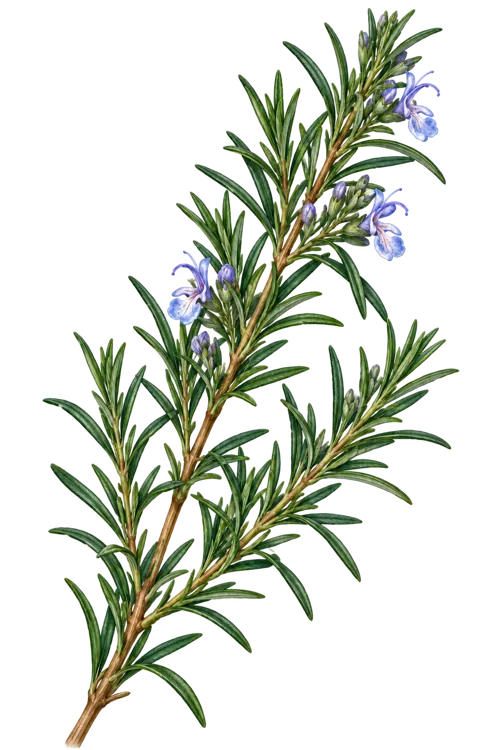
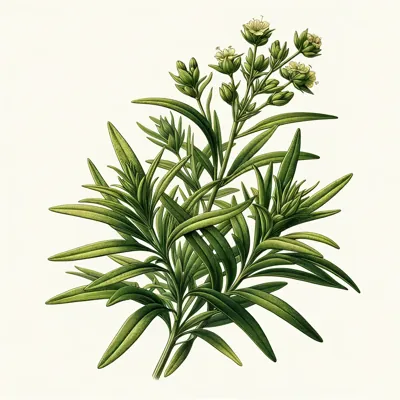
Tarragon
Narrow smooth leaves grow along slender stems. Tarragon is associated with an anise note, although fragrance varies by variety. It is chiefly a seasoning for sauces and dishes, rather than an infusion base in this collection.
Parts used in cooking
Leaves labelled for culinary use.
How to use in cooking
This card explores kitchen ingredients; it does not recommend infusing every edible plant. Use only the stated part, according to the product’s intended use and a reliable culinary recipe. Choose companions for the actual dish. Do not transfer quantities, steeping times or preparation methods from other species.
Flavour pairings
Lemon · Apple · Pear
These are flavour ideas for recipes, not therapeutic guidance. Start with one addition in a blend to preserve the character of the main ingredient. Dried fruit adds sweetness and a fuller aroma.
How to store
Keep the dried product in a labelled, airtight container away from moisture, light and heat. Store fresh ingredients according to their label. Check the date and smell; discard anything mouldy, damp or with an unusual odour. Do not mix a new batch with old leftovers.
Before using a plant
Choose only food-grade ingredients of confirmed origin. The name, species and plant part matter. Neither an illustration nor photo identification confirms edibility. For allergies, pregnancy, breastfeeding or medication, consult a professional about herb selection.
Little discoveries.
Your own ritual.
A plant atlas, an infusion library and your personal collection. Discover the app that brings them together.
Discover the Napar app