Check the common and Latin names
Common names may be broad or vary by region. The Latin name helps clarify which plant a profile describes. Compare both names with the label of the product you plan to use.
Two plants called mint need not be the same species. Similar names do not imply the same aroma, culinary parts or preparation. Do not substitute one species for another merely because their names share a word.
Look at features, not just colour
Read about the leaves, flowers and growth habit. A single leaf or small photo fragment may not show every feature needed for comparison. It also matters whether you are viewing a whole plant, a fresh ingredient or a dried product.
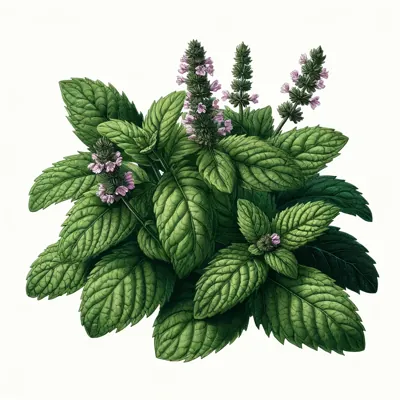
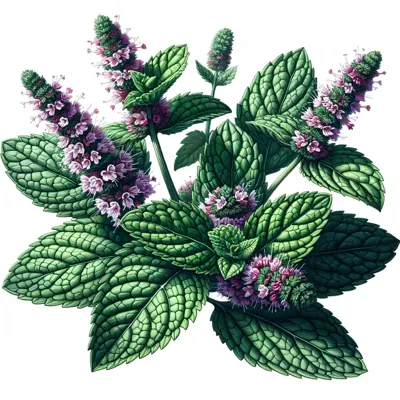
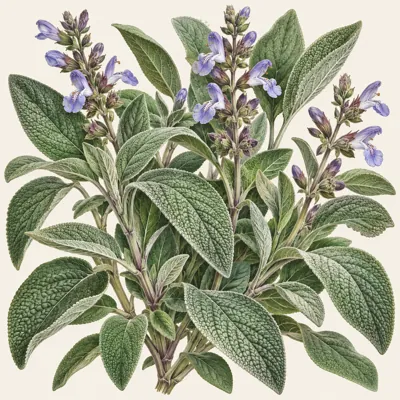
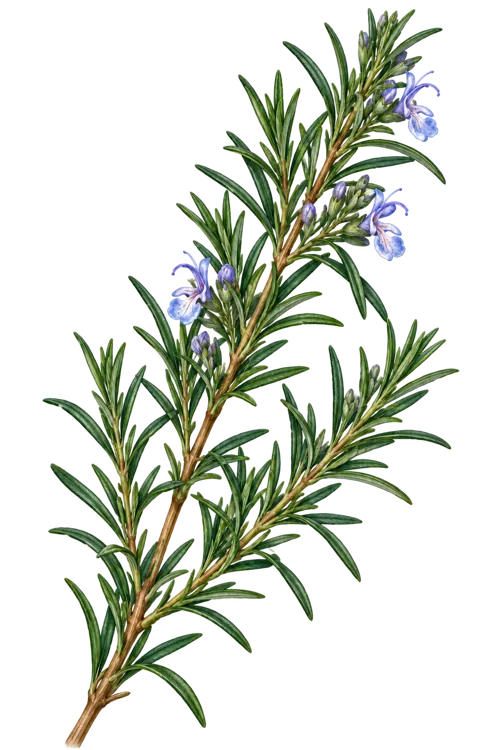
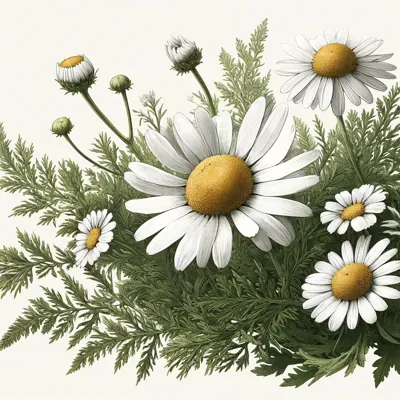
Napar’s atlas illustrations are decorative. They are not identification references and cannot confirm that a found plant is edible. Species identification requires real features and reliable botanical sources; if in doubt, seek help from someone with suitable expertise.
Check which part is used
A profile may cover fruit, leaves, flowers or a spice from a particular plant part. Culinary use of the fruit does not mean the leaves, bark or seeds can be used in the same way. This is an essential distinction.
The product’s intended use matters too. An ornamental plant and a food ingredient with similar names are not automatically interchangeable. Essential oil does not replace an herb or spice in an infusion recipe.
Separate learning about plants from deciding to consume them
The app may suggest matches from photos. These results support further checks and do not confirm edibility. Do not decide to eat a found plant solely on the basis of a scan.
When preparing a drink, use food-grade ingredients of confirmed origin and follow a specific recipe. Napar’s atlas and infusions are educational and culinary. They do not replace diagnosis, treatment or personalised advice on safe herb use.
Frequently asked questions
Is an illustration enough to identify a species?
No. Illustrations are decorative, and a photo may show too few features. Neither an image nor a scan confirms edibility.
Why does a plant profile not always include an infusion recipe?
Inclusion in the atlas does not mean every plant or plant part is suitable for a homemade infusion. Some profiles cover culinary uses other than brewing.
Educational and culinary content. It does not confirm the edibility of wild plants or guide medical treatment.