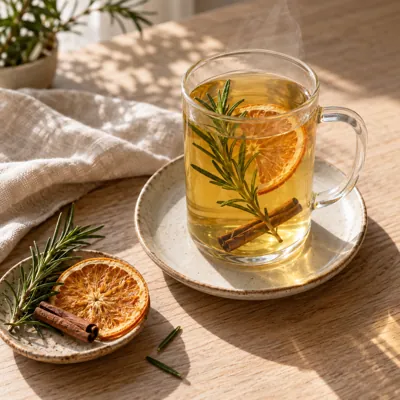
1. Start with a question, not a score
Instead of asking which infusion is best, choose a specific question: do you prefer a gentler aroma, a fruity background or a distinct herbal note? These are prompts for describing your preferences, not a measure of product quality. The same blend may appeal to you more on one day than another.
Begin with two familiar blends rather than your entire cupboard. Record their full names and manufacturers. Use food-grade ingredients and the instructions for each product. Tasting is not a way to establish whether a plant found outdoors is edible.
2. Record how you prepared each cup
For each attempt, note the amount of product and water, the recommended temperature, steeping time and when you removed the ingredients. Follow the recipe or packaging; do not simply extend steeping to obtain a stronger impression. If you compare different products, prepare each according to its own instructions and record the differences.
Choose similar cups and let the drinks cool to a comfortable drinking temperature. Note whether you added sugar, honey or lemon. Additions are part of the comparison: two cups are difficult to compare when only one is sweetened and that detail is missing from your notes.
3. Separate aroma from the impression in your mouth
Flavour involves both taste and smell. An aroma that reminds you of lemon is therefore not the same description as sourness. First record a scent association, then separately note what you notice after a small sip.
Do not force precise terminology. Fruity, floral, herbal, gentle or pronounced are useful words if they mean something to you. If you cannot identify a note, write “hard to describe”. Uncertainty is more useful than copying the description on the packet.
4. Copy this short template
Date and product name: __. Preparation following the instructions: quantity __, water __, temperature __, time __. Additions: __. Aroma: __. Impression after a sip: __. What I enjoy: __. What I want to compare next time: __.
Example preference note: “The aroma reminds me of fruit; the herbal note is too pronounced for my taste. Next time I will compare this blend with another that has a similar fruity background.” This is an illustrative note, not a test result or a recipe for changing quantities.
5. Choose one next step
Read your note before preparing another cup. If you change the product, water quantity and additions together, you will not know which difference suited you most. Choose one thing to observe while keeping to the preparation instructions. You can also repeat exactly the same preparation before deciding to try a new combination.
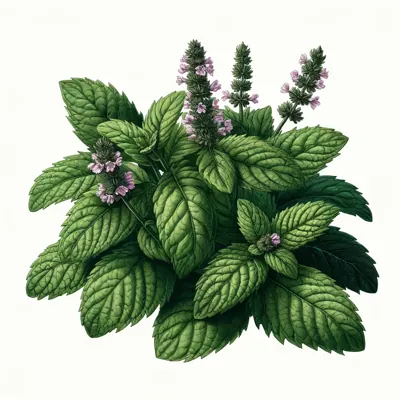
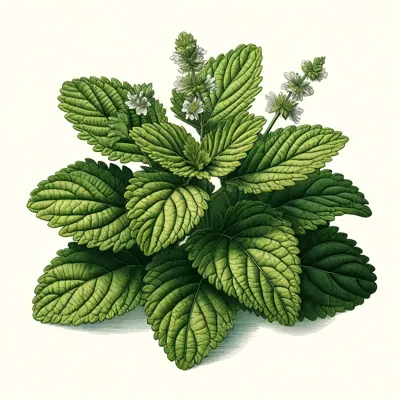
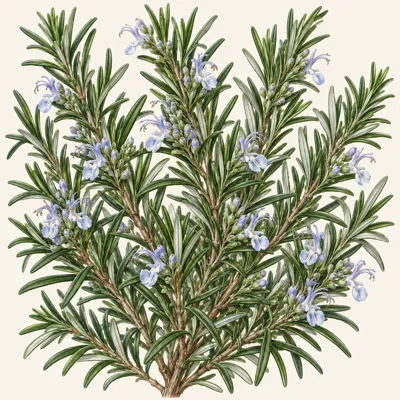
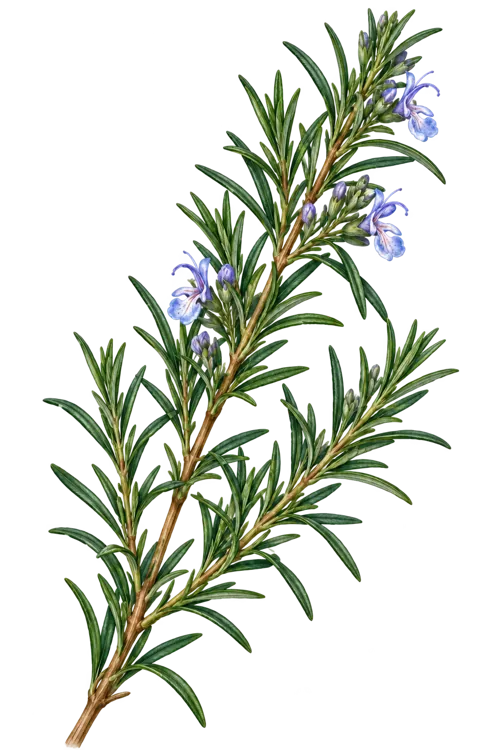
The Napar herb atlas offers aroma descriptions, while the infusion previews provide ideas for further blends. You can keep the notes from this guide on paper. No special equipment or app feature is needed. The aim is to learn about your preferences, not to identify a universally best infusion.
Frequently asked questions
Do I need a scoring system?
No. Two specific sentences often tell you more than a score alone. If you use numbers, explain what they mean to you and apply the same criteria each time.
Can I compare infusions prepared differently?
Yes, as finished drinks made according to their own instructions. Record the differences; do not attribute the result solely to one ingredient.
Educational and culinary content. It does not confirm the edibility of wild plants or guide medical treatment.