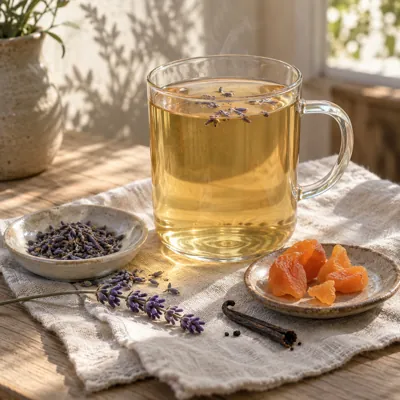
Lavender & apricot
A touch of Provence in your cup.
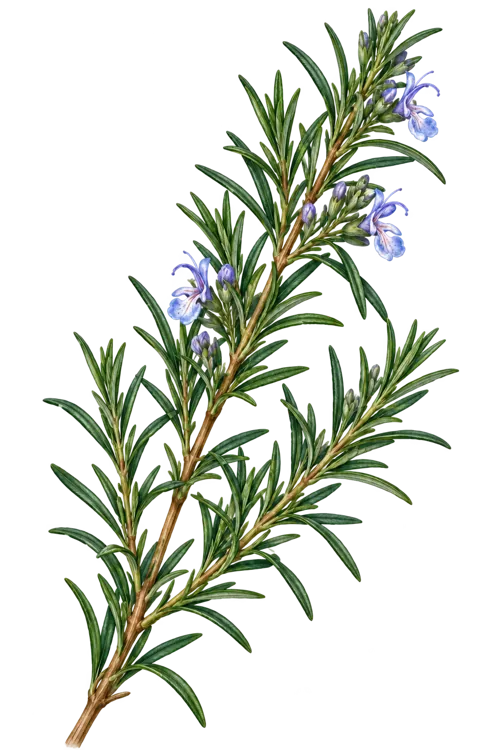
View recipeA low woody shrub with narrow silver-green leaves and violet flower spikes. English lavender has an intense floral, herbal aroma; a generous addition can overwhelm a blend and introduce a perfumed bitterness.
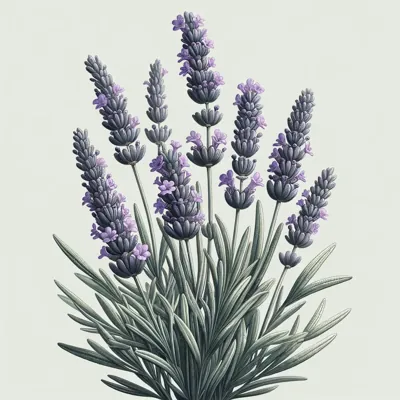
Food-grade flowers.
Do not grind delicate dried flowers into powder, as fine fragments are harder to strain. Pair flowers with a mild fruit base to retain their fragrance. Follow the recipe or product label for amounts and preparation. Florist flowers and ornamental plants are not equivalent to food-grade ingredients.
Apricot · Pear · Vanilla
These are flavour ideas for recipes, not therapeutic guidance. Start with one addition in a blend to preserve the character of the main ingredient. Dried fruit adds sweetness and a fuller aroma.
Keep the dried product in a labelled, airtight container away from moisture, light and heat. Store fresh ingredients according to their label. Check the date and smell; discard anything mouldy, damp or with an unusual odour. Do not mix a new batch with old leftovers.
Choose only food-grade ingredients of confirmed origin. The name, species and plant part matter. Neither an illustration nor photo identification confirms edibility. For allergies, pregnancy, breastfeeding or medication, consult a professional about herb selection.
All 150 recipes are free on the website, with ingredients, quantities and preparation steps.
A touch of Provence in your cup.
View recipe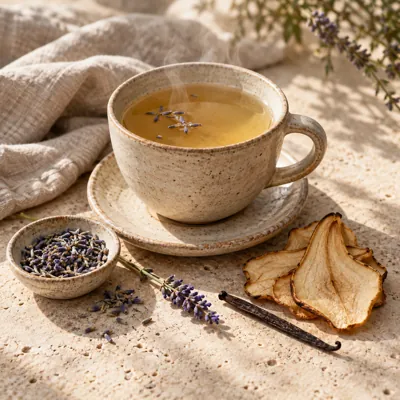
An herbal ritual with dried fruit.
View recipe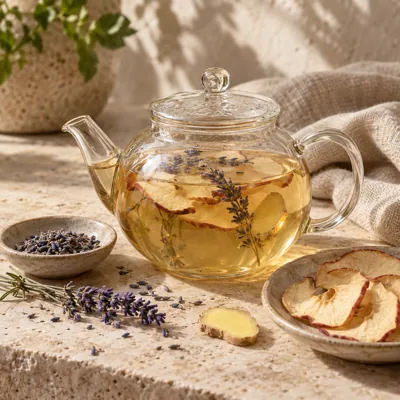
An herbal ritual with dried fruit.
View recipe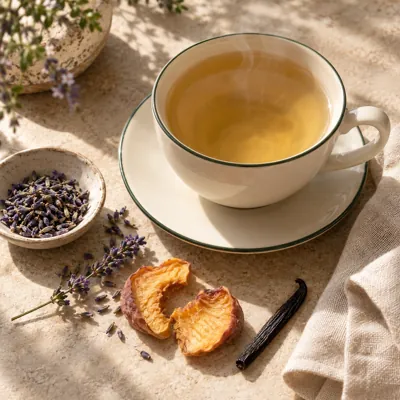
Choose culinary lavender, pair it with fruit and adjust an overpowering infusion. A practical comparison method without changing the whole recipe.
Read the guideAirtight containers, labels and moisture checks. Organise your shelf of dried herbs, fruit and spices for infusions.
Read the guide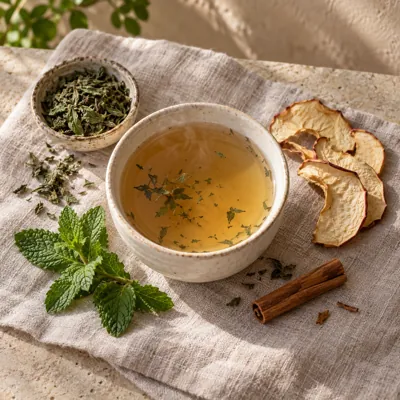
From mint with apple to rosemary with pear. Learn to choose fruit additions for herbs and create clear, balanced flavour combinations.
Read the guideA plant atlas, an infusion library and your personal collection. Discover the app that brings them together.
Discover the Napar app